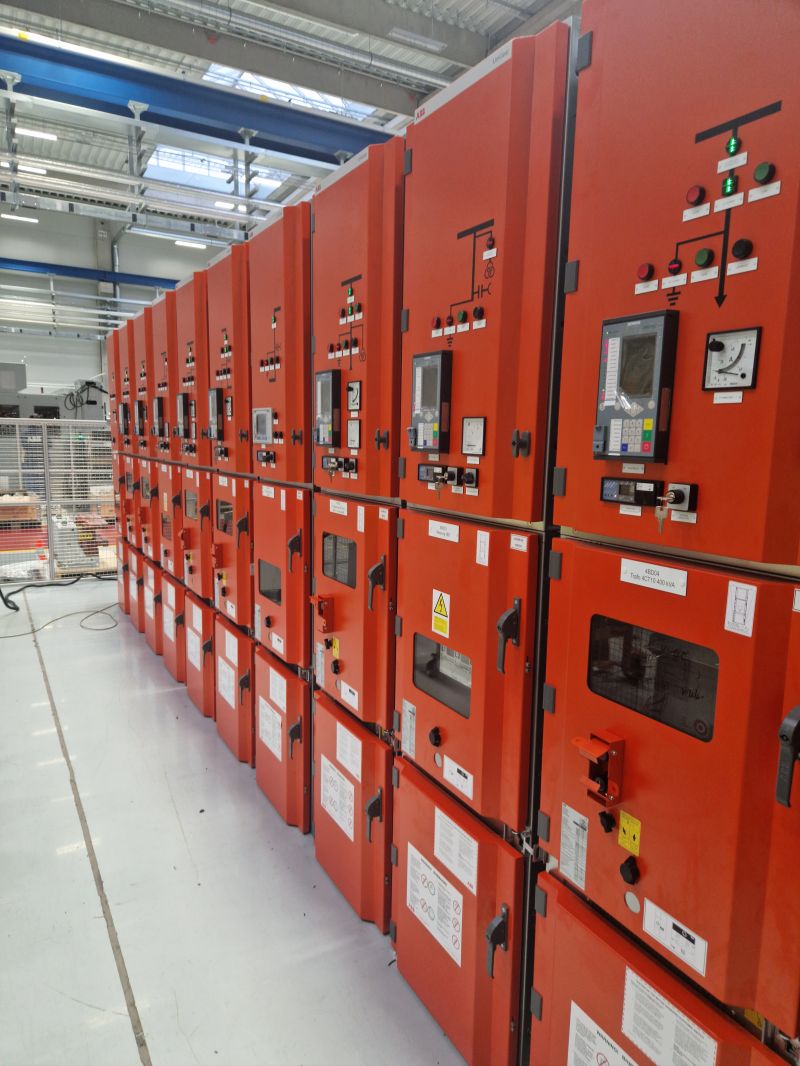
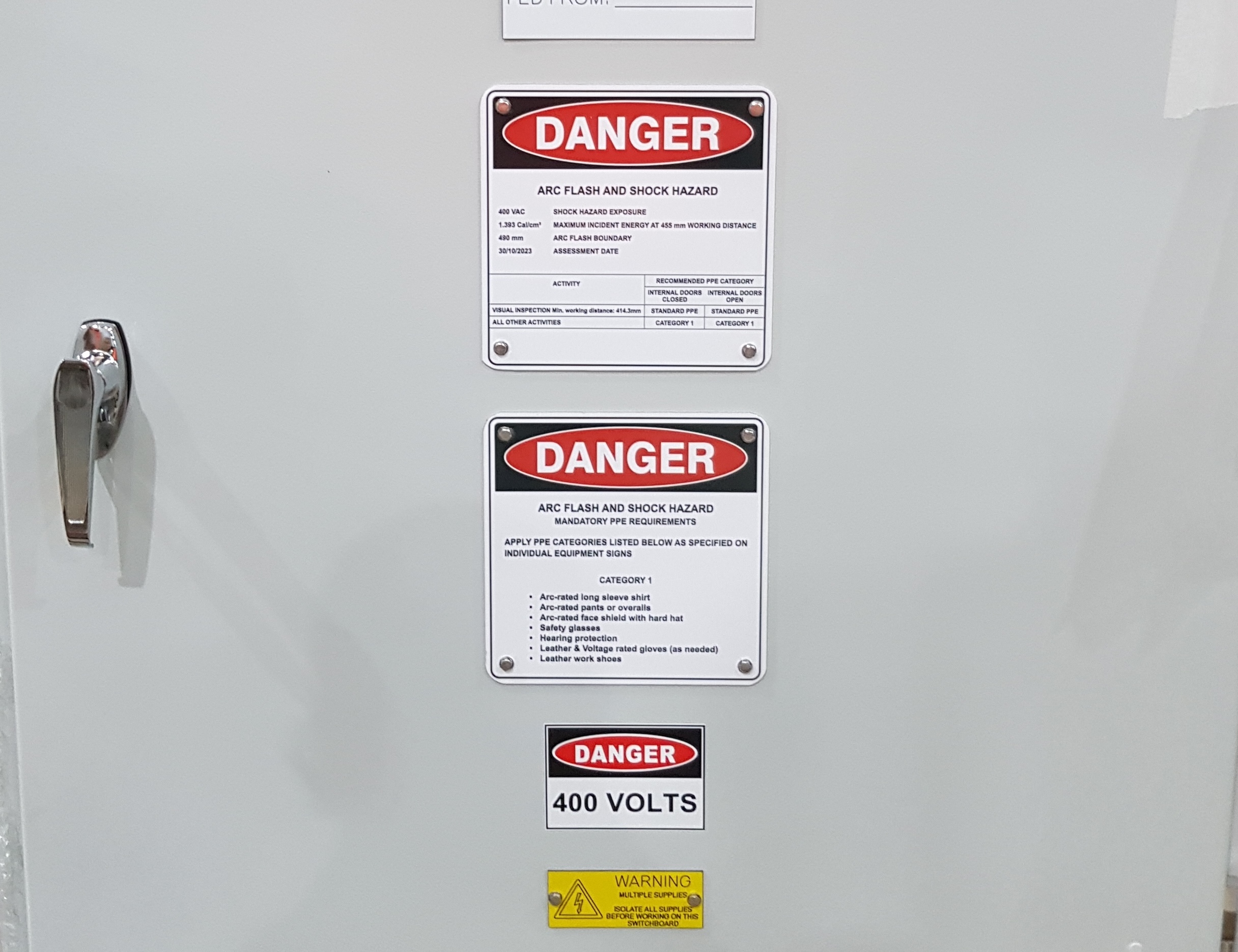
Main Switchboards
A main switchboard is a large electrical switchboard that connects to the grid and distributes power to other smaller switchboards on the site. It normally includes a electricity retailer section where the metering is held. It is the central point where electrical power is received from the utility company and then distributed to various circuits and electrical loads throughout the building.
Main switchboards must be built to a verified design following ISO Accredited Certification. This involves short cirtuit testing, temperature rise testing, voltage frequency withstand testing and various other verification requirements.
Main Switchboard Components
Key features of a main switchboard typically include:
Main Switch or Circuit Breaker – This is the primary disconnect switch or circuit breaker that allows the entire electrical supply to be shut off in case of emergency or maintenance. This is sometimes also refered to as an SPD (Service Protection Device) depending on the East African state.
Busbars – Busbars are thick bars or conductors that carry the electrical current from the main switch to various circuit breakers or distribution points.
Circuit Breakers – These are devices that protect individual circuits from overloads or faults. They can be controlled manually or automatically and are used to isolate specific areas of the electrical system.
Meters and Monitoring Equipment – Some main switchboards include meters and monitoring equipment to measure electrical consumption and monitor the health of the electrical system.